






Catalysing the food and farming industry’s shift to regenerative agriculture.
Need support paying the full fee?
We have multiple bursary-supported / sponsored places on this course. If cost is a concern, please reach out — you might qualify for a reduced fee or free place.
Introduction
Learn Regenerative Farming System Design and Implementation
Roots to Regeneration (R2R) is a comprehensive two-year programme that teaches the thinking, design, implementation and ongoing adaptation of resilient and profitable regenerative farming systems.
Pioneered by Caroline Grindrod and Clare Hill, R2R goes beyond isolated practices to deliver a complete systems approach for your unique context—integrating soil health, livestock management, grazing design, enterprise stacking, and financial planning.
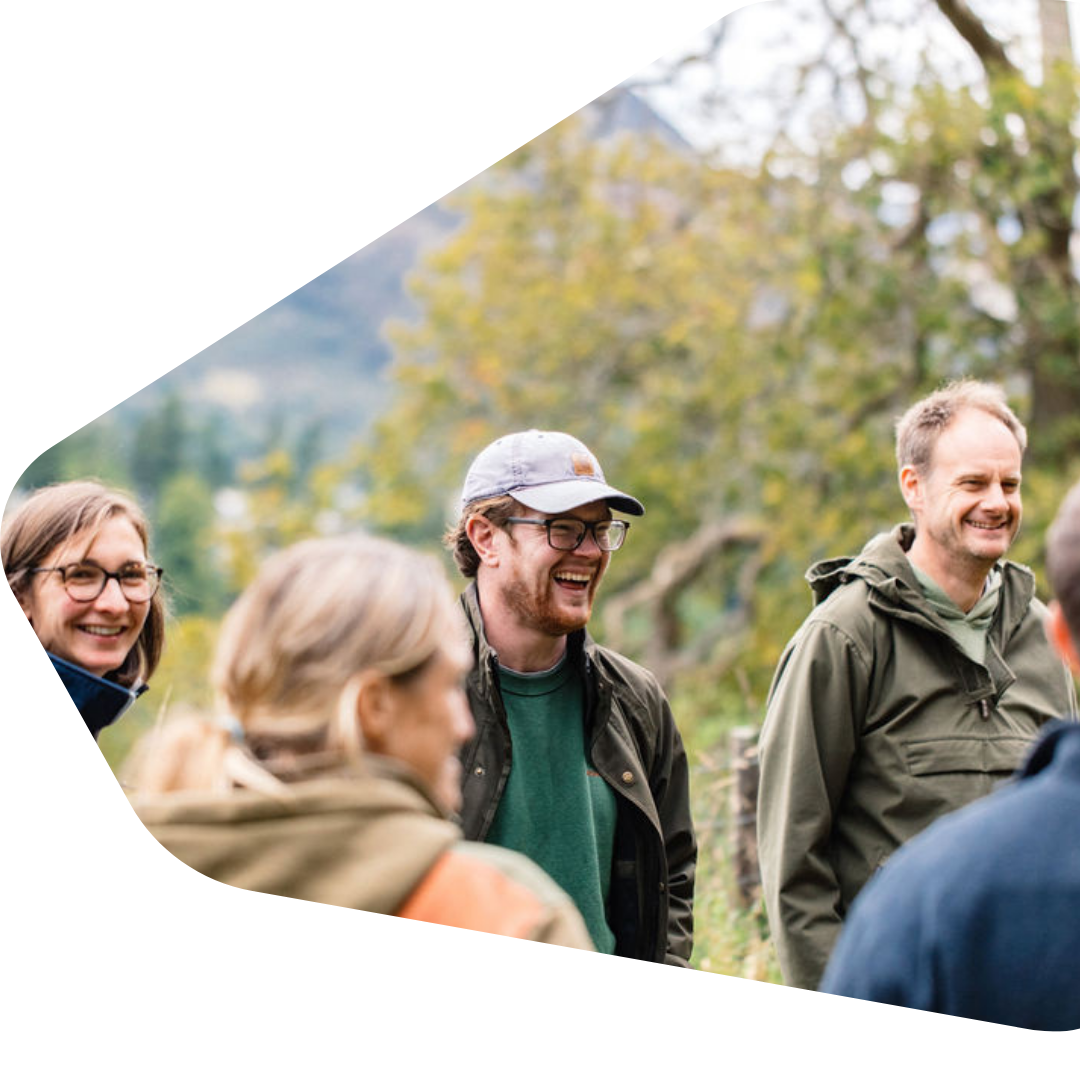
This transformative journey combines hands-on farm experiences, expert-led sessions, online learning, and ongoing peer support within a supportive regenerative community.
We’re currently recruiting for our next cohort of 20 participants, which starts in March 2026.
Enter your email for more details
Learn More
You will receive a series of emails covering all of the different aspects of the R2R program in detail, with next-step options.
Learn about our free webinars, prize funds, and bursary awards. No obligation – unsubscribe at any time.
Introduction
What is the problem ?
Our food and farming systems face a complex web of interconnected challenges—from climate volatility and supply chain disruption to changing markets and rural depopulation. These aren’t isolated problems requiring separate solutions; they’re symptoms of systems that need fundamental redesign.
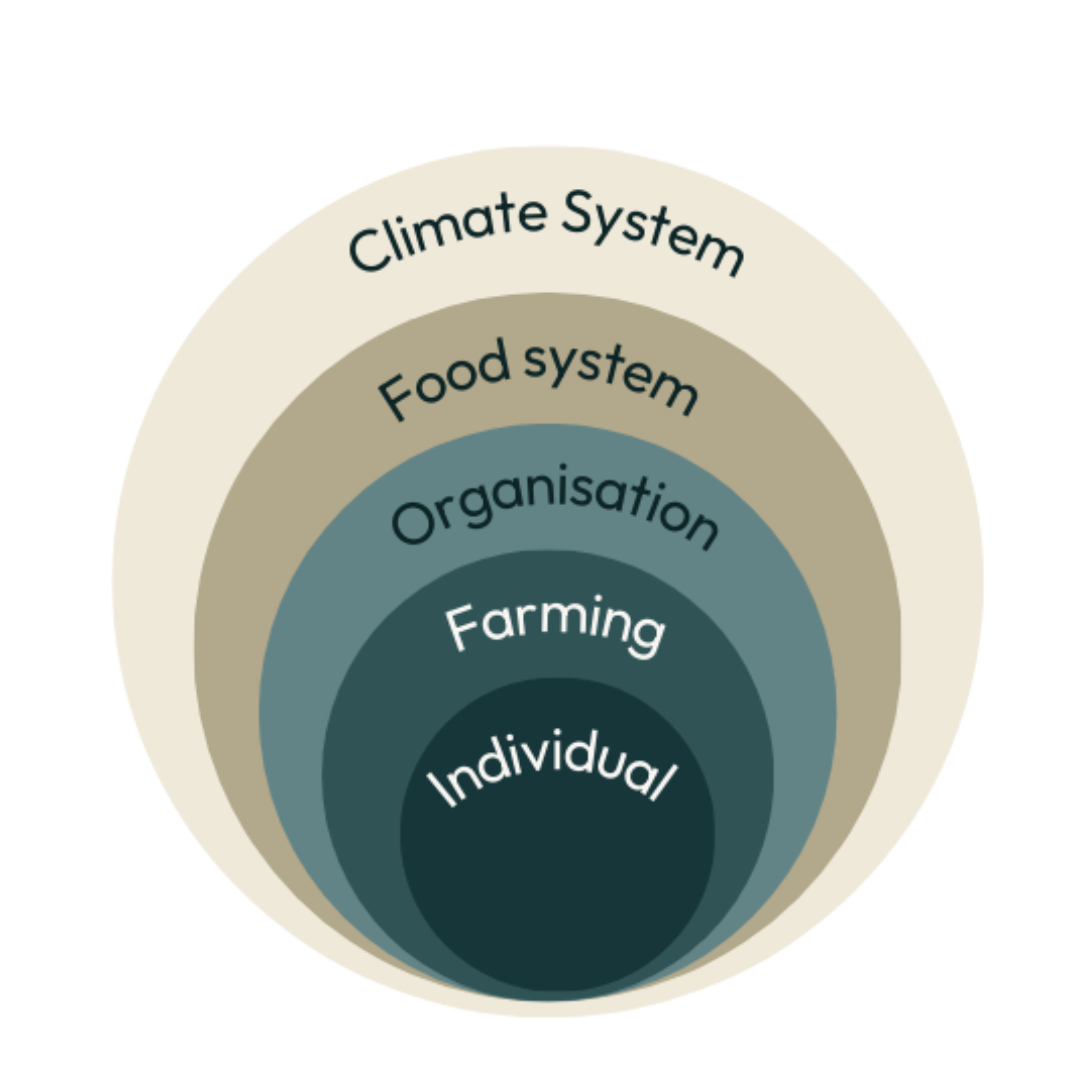
Most regenerative programmes focus on farm-level practices in isolation. But lasting change requires transformation across the entire food system—from how farms operate to how businesses, markets, and communities connect and support each other.
Individual farm transitions, while essential, aren’t sufficient for system-wide regeneration.
What is the Solution
The R2R programme takes a different approach. We work simultaneously with farmers and food system professionals using a robust theory of change that creates transformation at multiple levels.
For Farmers: We provide comprehensive system design that creates resilient, profitable operations while positioning you as leaders who can influence broader change.
For Professionals: We build deep agricultural literacy combined with regenerative business and leadership skills to transform how the food system supports regenerative transition.
For Both: We create a connected community of practitioners who understand their role in system-wide transformation—from regenerative farms to regenerative supply chains, finance, policy, and rural communities.
This integrated approach means farm transitions happen faster and more successfully, while the broader system evolves to support and reward regenerative practices rather than undermine them.
Benefits
Benefits & Outcomes
The R2R program offers a wealth of benefits that equip participants with the knowledge, skills, and support necessary for a successful, rapid and sustainable transition to regenerative agriculture:
Accelerated Transition
Personalised Support
Enhanced Regenerative Knowledge
Comprehensive Planning
Increased Resilience and Adaptability
Positive Environmental and Social Impact
Regenerative Context Development
Potential Funding Opportunities
Access to Expertise
Improved Farm Operations
Training Program
How our Regeneration Agriculture Training is Delivered
The R2R program is structured over a period of two years, providing ample time for participants to immerse themselves in the course content, apply learnings on their farms, and integrate regenerative principles and practices into their daily operations.
The first year will include most of the structured learning and site-based visits. Year two will continue to embed learning, build a supportive community, and offer the chance for some one-to-one tailored support and deeper engagement with your peers.
The next round of the R2R program is scheduled to begin in March 2026.
24th – 26th March 2026
Immersive Introduction
Begin your regenerative transition with a 3-day, 2-night immersive stay. Here, you’ll meet your cohort and get a foundational overview of the program.
Optional
Key Milestones at Renowned Conferences
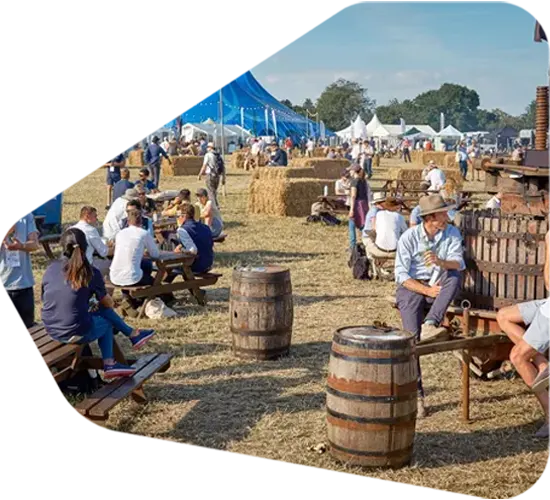
Celebrate our key milestones and catch up with some of your peers at Groundswell, Carbon Calling and Oxford Real Farming Conference.
6-8 days in Person
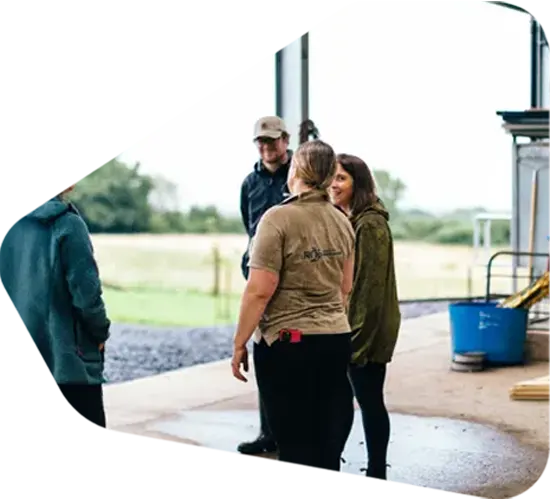
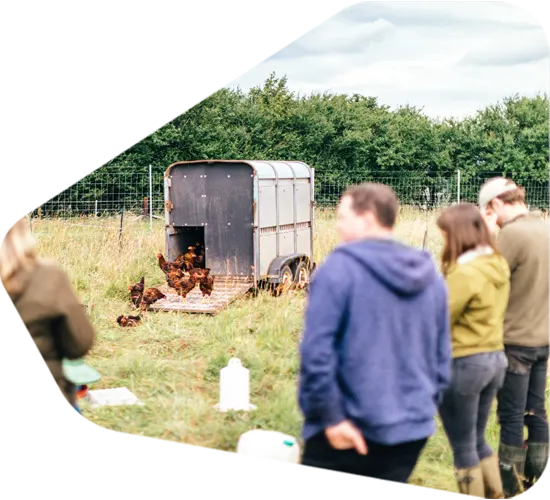
Hands-on Farm-Based Training
- Planton Farm in Shropshire: 2nd- 4th June 2026.
- Gowbarrow Farm in Cumbria: 29th Sep – 1st Oct 2026
- Brewood Park Farm Staffordshire: dates to be confirmed (Sept/Oct)
Self-paced and virtual
Interactive Online Learning
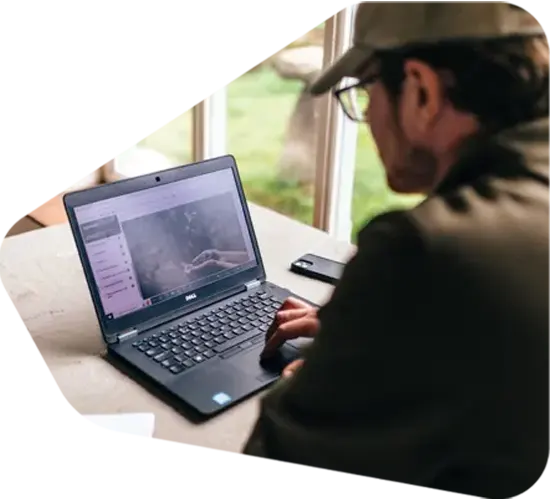
Delve into five self-paced, multimedia-rich online courses designed to deepen your understanding and sharpen your skills.
1.5 hours every fortnight
Regular Group Coaching
Benefit from regular, in-depth engagement during fortnightly Zoom learning and coaching calls, ensuring you stay on track and resolve any emerging challenges.
Self-paced virtual
Community Engagement
Tap into the collective intelligence and camaraderie of the R2R community, sharing resources and seeking insights via a dedicated engagement platform.
Within the 2 Hours every fortnight
Expert Sessions
Stay updated and inspired with live online training sessions led by industry-leading experts in regeneration.
Ongoing
Peer-to-peer support and learning
Professionals will ‘buddy’ up with a farmer to walk through the design of the regenerative context and implementation of the regenerative principles and practices.
Access forever to online resources
A Living Library of Technical Information
Deep technical self-led learning, and a regularly updated ‘living library’ of resources on the soil, plant, animal, and climate systems.
Ongoing
Practical Hands-on Farming Experience
New entrant farmers will have the option of attending a three-day ‘work experience’ opportunity at Planton Farm.
For farmers and professionals
Two Pathways, One Mission
In Roots to Regeneration, we have two curriculum pathways or ‘Roots’ – the farmer root and the professional root.
Both pathways unite for all farm-based learning and share our community platform. While each root has specialised sessions and guest experts, all participants have lifetime access to content from both pathways—you can follow a dual root approach or access live sessions and recordings from the parallel pathway whenever you choose.
This integrated approach ensures farmers understand the broader system context while professionals gain deep agricultural literacy, creating a connected community of practitioners driving change across the entire food system.
FARMER ROOT: Complete Regenerative System Design and Implementation Perfect for: Farmers ready to master comprehensive regenerative systems.
PROFESSIONAL ROOT: Systems-Level Impact Perfect for: Agribusiness professionals, consultants, and rural innovators.
Why Work with Food System Professionals?
Whole system transition to regenerative agriculture requires transformation across the entire food and farming system—not just on farms. We need regenerative approaches in business, finance, policy, supply chains, and rural development.
The Challenge: Most of the agriculture industry approaches regenerative agriculture at the ‘functional’ level—adding regenerative practices to existing systems without understanding the deeper paradigm shift required.
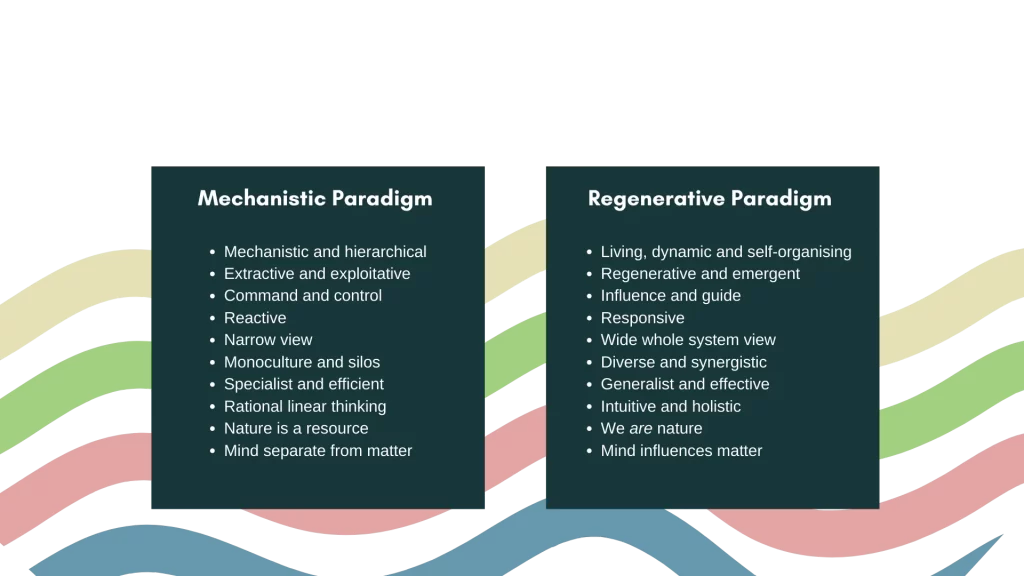
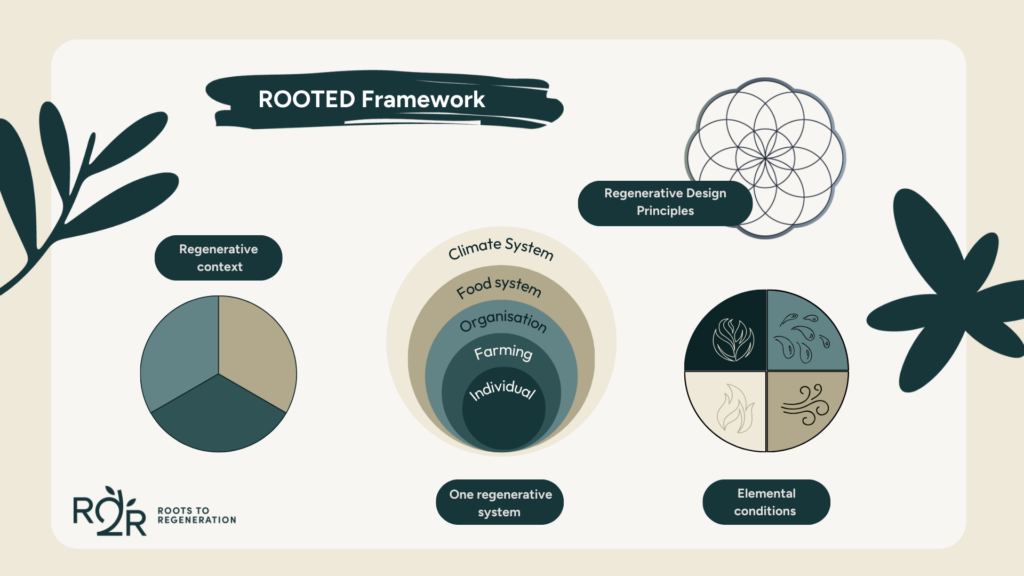
Our Approach: We work with food system professionals to understand regeneration as a complete paradigm shift—from mechanistic thinking to living systems principles—that can transform how businesses, policies, and communities operate.
How Professionals Learn Regenerative Systems
Professional participants learn regenerative principles by walking through the complete farm design process alongside our farming cohort. You’ll witness firsthand how regenerative farms understand their unique environmental, social, and economic context, and how living systems principles are applied to create successful transitions.
Many professionals also participate in our buddy system, partnering with a farmer in the cohort to walk through their regenerative design and implementation process. This reciprocal relationship deepens your understanding while providing valuable support to your farming partner.
This immersive, practice-based approach gives you:
– Deep Agricultural Literacy: Understand the real challenges and opportunities farmers face
– Living Systems Thinking: Learn principles you can apply to any organisation or system
– Credible Expertise: Gain practical knowledge that builds trust with farming clients and partners
– Network of Practitioners: Connect with both farmers and fellow professionals driving system change
Professional-Specific Training
Following your foundation in regenerative agriculture (months 1-6), you’ll transition into professional-focused sessions that explore how living systems principles transform organizations, policy, markets, and communities.
Regenerative Business and Leadership
– Applying living systems principles to organizational design
– Developing regenerative mindsets and leadership approaches
– Creating business models that enhance rather than extract
Systems Change and Innovation
– Understanding how to catalyse transformation across complex systems
– Policy development and regenerative transition strategies
– Market development for regenerative products and services
– Leverage points for systemic change
Place-Based Development
– Building regenerative economies rooted in local communities
– Natural capital assessment and ecosystem services
– Rural innovation and community engagement strategies
Your Role in System Transformation
As a Professional Root graduate, you’ll be equipped to:
- Design regenerative businesses and organizational cultures
- Develop policies and programs that truly support regenerative transition
- Create supply chains and markets that reward regenerative practices
- Build community resilience and rural regeneration projects
- Become a trusted advisor to farmers and regenerative enterprises
Expert Contributors Include: Daniel Christian Wahl (Regenerative Culture), Sue Prichard (Food System Policy), Holly McCann (Regenerative Leadership), Robin Alfred (Organizational Design), and many more.
Core Topics
Core Topics Covered by the R2R Program
Explore our FAQs for answers to your questions about about our services, booking process, and more.
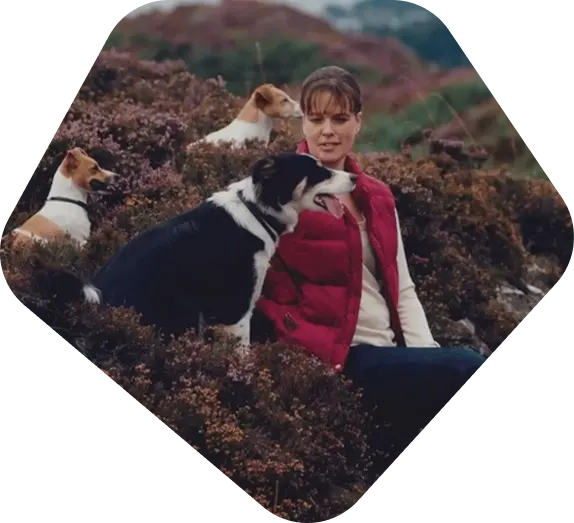
Introducing how we can enhance the elemental conditions for primary production and the tools we have available to regenerate our farm ecosystem. An introduction ‘whole system function’ and how we leverage complexity to reduce inputs and slash costs.
Being a successful regenerative farmer requires you to be able to solve multi-dimensional complex problems and address the root causes. We give you tech tools and teach you ways to become a systems thinker and solve problems so they don’t re-occur.
A regenerative farm is as unique as a fingerprint of people and place. We go through a detailed process of scoping the unique opportunities and challenges your landscape and lives present so we can co-create the most optimal regenerative, resilient business and management plan for your farm.
We take a ‘whole system’ approach to the health of your livestock and explore how we can design a genetic selection strategy to minimise problems. We go through your current veterinary health plan and find ways to be more proactive so we can prevent disease rather than require the use of harmful cures that damage the ecosystem.
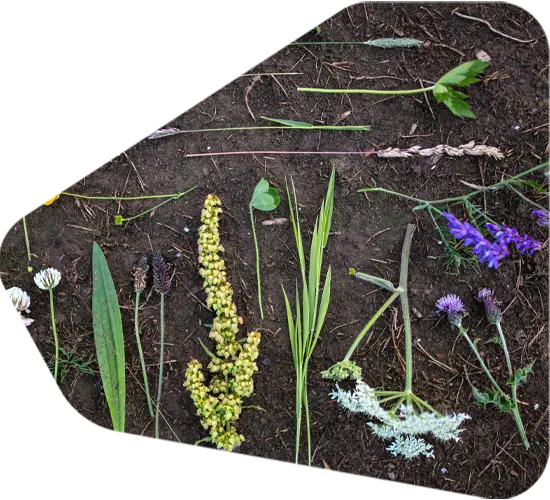
Building on the whole system function training and applying your systems thinking skills, you will brainstorm how your management may be leading to dominant problem species (weeds, pests and disease) and might be causing a lack of resilience in your system. You will then design a proactive plan to change the management to enhance the conditions for missing species and reduce the conditions for problem organisms.
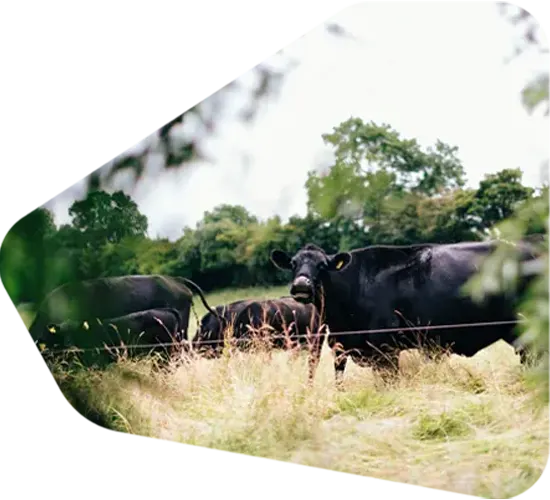
We do a deep dive into the principles of regenerative grazing, including infrastructure considerations and optimising livestock production and health. You will then co-develop your first summer and winter grazing plans in a workshop setting and be given the tools and resources to develop your own plans in the future.
Over several sessions concluding a comprehensive online resource we will do a deep dive into the soil, covering the physical, chemical and biological aspects of soil health. We look at optimal nutrient management strategies and ways of reducing artificial fertility inputs without losing production.
We explore how to put pressure on your herd or flock to highlight opportunities to select the animals with the best ‘fit’ for your unique context. We create strategies that will get you there without compromising your profitability or welfare ethics.
We introduce an overview of the many composting or fermentation options that could help accelerate soil and ecosystem regeneration.
Herbal leys can be a great tool in the regenerative toolbox, but for some livestock options, there may be cheaper and better options for creating productive, diverse awards. We give you the options.
On a regenerative farm, we want to create complexity so our ecosystem and income streams are resilient. When starting out, however, adding complexity to an already huge change could cause overwhelm and failure. We teach you smart strategies for adding new enterprises without burnout.
Many regenerative programs focus on soil and plant productivity, but managing our livestock optimally is another way we can optimise productivity, guarantee high welfare and create a safer working environment. We look at herd structure, weaning, and low-stress livestock handling.
We cover some examples of how arable farmers are working with regenerative principles. Our main focus is on optimising plant health so that the plant can drive soil regeneration and is nutrient-dense to become resistant to pests and disease and make the perfect health-promoting food for humans or animals.
We explore the principles of regenerative financial planning and look at the main funding opportunities for regenerative farmers including natural capital options and de-risked bank loan options.
You can not say you are a ‘regenerative’ farmer unless you prove you are regenerating your system. Every context will have a slightly different way of measuring these changes depending on the market they are supplying or the story they want to tell. We introduce you to the options and help you develop a suite of baseline measures that inform management as well as capture the regenerative outcomes.
Core Topics
The Rooting to Place Process
Advanced Leadership Development in Year Two
For those ready to explore their unique role in regenerative transformation more deeply, Year Two offers:
Regional System Understanding: Explore how your work fits into broader food system transformation and regional resilience.
Facilitated Peer Coaching: Work with cohort peers using structured coaching methodology to clarify your professional direction and impact.
Applied Innovation: Develop projects or expand your practice in ways that enhance rather than extract from your local environment and community.
Movement Building: Connect with networks of regenerative practitioners creating lasting change across rural communities.
Learn More
Get exclusive emails about our Roots to Regeneration program, featuring a luxury 42-acre retreat and R2R Fellows network. Learn about free webinars, bursaries, and how to join.
No obligation—unsubscribe anytime.
R2R Team
Your Guides to Regeneration
Caroline Grindrod
Director & Regenerative Agriculture Consultant
Caroline Grindrod | Director & Regenerative Systems Designer
Award-winning educator and founder/co-founder of Roots of Nature, Wilderculture CIC and Primal Meats, specialising in integral approaches to regenerative transition and bioregional development.
Clare Hill
Co-founder & Lead Trainer in Regenerative Agriculture
Clare Hill | Co-Founder & Regenerative Farm Leader
Leading practitioner in whole-farm regenerative transitions, co-founder of Planton Farm, and expert in place-based regenerative design.
Our
Supporting Expertise
Joel Williams
Claire Whittle
Tim Parton
Nikki Yoxall
Russ Carrington
Silas Hedley-Lawrence
Grass Fed Farmer
Niels Corfield
Sam & Claire Beaumont
James Daniel
Georgia Wingfield Hayes
Rob Havard
Edd Colbert
Daniel Christian Wahl
Sue Prichard
Holly McCann
Regenerative Leadership Guide
Robin Alfred
Tamara Giltsoff
Graham Harvey
Author, Scriptwriter, Film maker, Storyteller
Return on Investment
Our program offers a transformative and comprehensive experience. We are confident that the majority of farmers will quickly recognise the return on their investment in both time and finances.
Due to the kind support of several funders we are able to offer several bursary places at a 50% discount. If finances pose a challenge for you, please let us now in your Consultation Call so we can explore available options.
We have several sponsored places available with 50% bursary places available.
Join our program with all meals included for on-site farm visits, plus luxury accommodation in a retreat setting for the 42-acre farm visit. What’s included:
- Comprehensive 2-year training program (Worth over £15,000)
- All meals during farm visits, with luxury accommodation for the 42-acre retreat (Worth £2,000)
- Lifetime access to an exclusive resource library (Worth £1,500)
- Expert coaching and peer support network (Worth £3,000)
- Access to the invaluable R2R Fellows network (Priceless)
Total Value: Over £21,500 | Your Investment: Only £9,979
Learn More
You will receive a series of emails covering all of the different aspects of the R2R program in detail, with next-step options.
Learn about our free webinars, prize funds, and bursary awards. No obligation – unsubscribe at any time.
This program is deeper and broader than any other regenerative agriculture training program on the market.
R2R is not for everybody, and to fully benefit from it, you must have an open mind, the capacity to undertake comprehensive online training, and the flexibility to attend in-person events.
Have you got questions?
If you have a specific question about the R2R program then please email us through the contact form below. We will reply as soon as possible.
Apply
The Regenerative Future Needs Rooted Leaders
Climate chaos. Biodiversity collapse. Rural depopulation. These challenges require more than better practices—they need regenerative leaders who can weave together ecological, economic, and cultural regeneration.
Are you ready to discover your unique role in bioregional transformation?
Next cohort begins March 2026 | Limited to 20 transformative participants
With grateful thanks to