
Regenerative Agriculture Consultancy for Farms and Estates in Transition
Bespoke, whole-system consultancy for a small number of farms and estates each year — at the moments that matter most: a retirement, a scheme ending, a change of ownership, a generation handing over.
Enquire about your farm or estate

Every farm and estate reaches a turning point. A retirement on the horizon, a stewardship or environmental scheme coming to an end, a change of ownership, or one generation handing the land to the next.
These are the moments when the whole system is open to being rethought — and when the decisions you make will shape the land, the business and the family for decades. They are also the moments when getting it wrong is most expensive.
This is consultancy built for those moments: a considered, whole-system approach to transition for farms and estates that want to do more than add a few practices at the edges.
Whole-system consultancy, not flying-visit advice
Traditional regenerative agriculture consultancy often falls short because it creates dependency rather than capability. A consultant arrives, looks over the ground for a day, leaves a report full of generic recommendations, and drives away. The advice rarely accounts for your unique context — your climate, your soils, your people, your business — and it usually addresses one part of the system in isolation: better grazing here, a soil amendment there.
Our approach works differently. Rather than handing you a list of things to do, we build your regenerative expertise, and your team’s, so the capability to keep adapting and improving stays in the business long after the work is done.
you and your team develop the thinking tools to adapt and improve for yourselves.
we work with the farm as a living system, where soil, plants, animals and management decisions all connect.
designed around your land, climate, business goals and values, never a template.
we work alongside you through the transition, not in a single visit.
you end up more capable, not more reliant on a consultant.
Instead of bolting regenerative practices onto an existing system, you learn to redesign the whole operation using living-system principles — which is why the results last.
Why the moment of transition is the time to redesign
The best time to rethink a farm or estate is when it is already in motion. When a scheme ends, a tenancy changes, or the land passes to a new generation, the patterns that have held for years are briefly loose enough to redesign. Decisions taken at these points — about enterprises, infrastructure, staffing and finance — tend to set the direction for a long time afterwards.
Approached well, a transition is a chance to strip out costs that no longer serve the business, build profitability that fits your context rather than fighting it, and get clear on what you actually want this land to be — ecologically, financially and personally. That clarity is often the most valuable outcome of all, and the one conventional advice rarely offers.

From first conversation to independence
-
1
To start
A first conversation.
A short form, then an hour together on your land, what you’re doing now and where you want to go — including the things most consultants never ask about: succession, finances, energy and time.
-
2
First month
Your Rooting to Place report and Red Flag assessment
A deep account of your place — geology, soils, water, climate, ecology, history and the wider landscape it sits in — and your three to five most pressing problems traced back to their root causes, with what to do now.
-
3
Months 1–3
Your Regenerative Context
Facilitated sessions in which you and your team set out who you are, how money really flows through the business, and what the land can become. It ends in a one-page compass that every later decision is tested against, a WILD Map, and a baseline to measure progress from.
-
4
Months 3–6
Design
The whole system redesigned: zones, grazing plan, management plans and infrastructure priorities. You design it; we bring the evidence.
-
5
Months 6–12 and beyond
Traction and ongoing support
A traction plan with quarterly priorities, monthly calls, seasonal check-ins through the farming year and an annual review — until you no longer need us.
Your regenerative design system
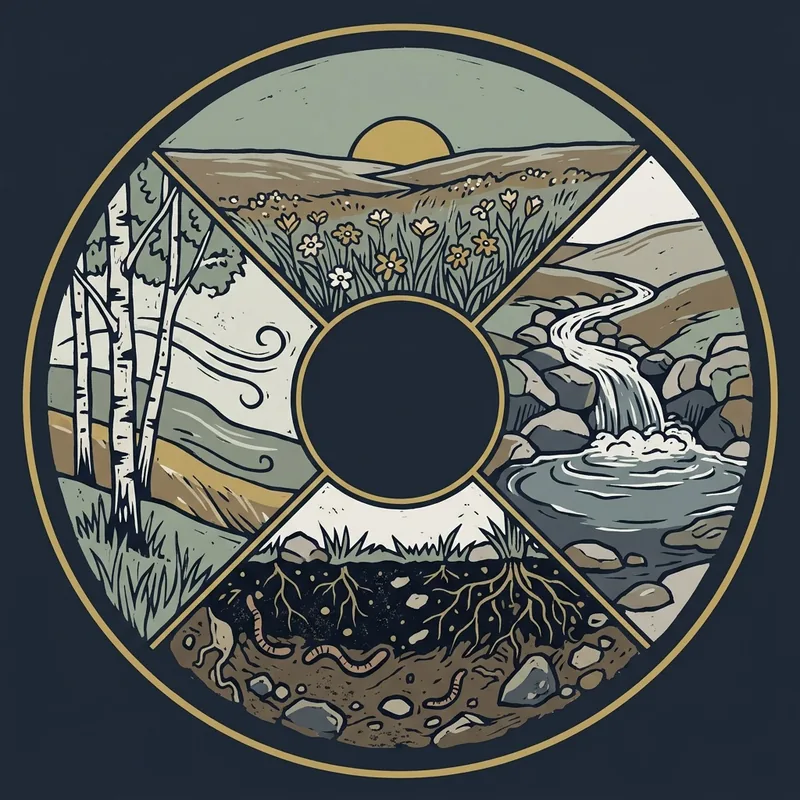
Every farm is unique, which is why you need a design framework rather than a recipe book. Developed and refined over many years and many contexts, our ROOTED methodology gives you and your team the thinking tools to create regenerative solutions for any situation — moving from your regenerative context, through the elemental conditions and whole-system function, to a set of design principles you can apply for yourselves.
Explore the ROOTED frameworkWe train your team, not just advise you
Regeneration that lives only in a consultant’s report does not survive the consultant leaving. The people who work your land have to evolve how they read and manage it. So this is collaborative work: we identify where your system is weak, coach you and your team through changing it, and leave you with the plans and the understanding to carry on. A regenerative estate is run by regenerative people, and our role is to help yours become that.
For some farms and estates, this extends further — helping recruit and train the right people, supporting how the story of your land is told, and advising on diversified enterprises. The principle stays the same throughout: we build capability into your business rather than holding it ourselves.

What we help you achieve
- A clear, context-aligned plan for your land, your business and your people.
- Lower reliance on bought-in inputs, and costs reduced where they no longer serve you.
- Profitability designed around your context, including diversified and natural-capital opportunities where they fit.
- A team confident and capable of running a regenerative system independently.
- Baselines and measures that show, credibly, that your land is regenerating.
We make no blanket promises about yields or returns; every context is different. What we offer is a rigorous process, refined in practice across many farms and estates, and the experience to apply it well.
In their words
“Purchasing 10,500 acres of land to develop a nature reserve was always going to be a huge undertaking. We knew things needed to change, both financially and environmentally, but we really didn’t know where to start. In Caroline we found someone with the technical skills we needed as well as the broader ecological, cultural and community understanding to help us navigate the changes. She has been flexible, allowing us to work at our own pace while we balance the many priorities of a community-owned nature reserve, and we now have a clear plan that we believe is achievable.”
Angela Williams, Development Manager, The Langholm Initiative (Tarras Valley Nature Reserve)
Who we’ve worked with
Ardtornish Atholl Estate Glen Nevis Rhiwlas Wilder Gowbarrow Denton Reserve Tarras Valley Nature Reserve National Trust Environment Agency Four National Park Authorities McDonald’s UK Arla
Is this right for your farm or estate?
The right fit if you…
- Are at, or approaching, a point of transition — succession, a scheme ending, a change of ownership, or a decision to change direction.
- Are serious about a whole-system transition, not experimenting at the edges.
- Want to understand why things work, so you can adapt for yourself.
- Are willing to commit your team’s time to learning and developing.
- Value working it out together over being told what to do.
Probably not if you…
- Are looking for a quick fix or a list of practices to copy.
- Want to be told what to do without building your own understanding.
- Are not ready to involve your people in the change.
Regeneration is a transition, not a destination — and it asks something of the people who work the land.
Practical experience, whole-system thinking
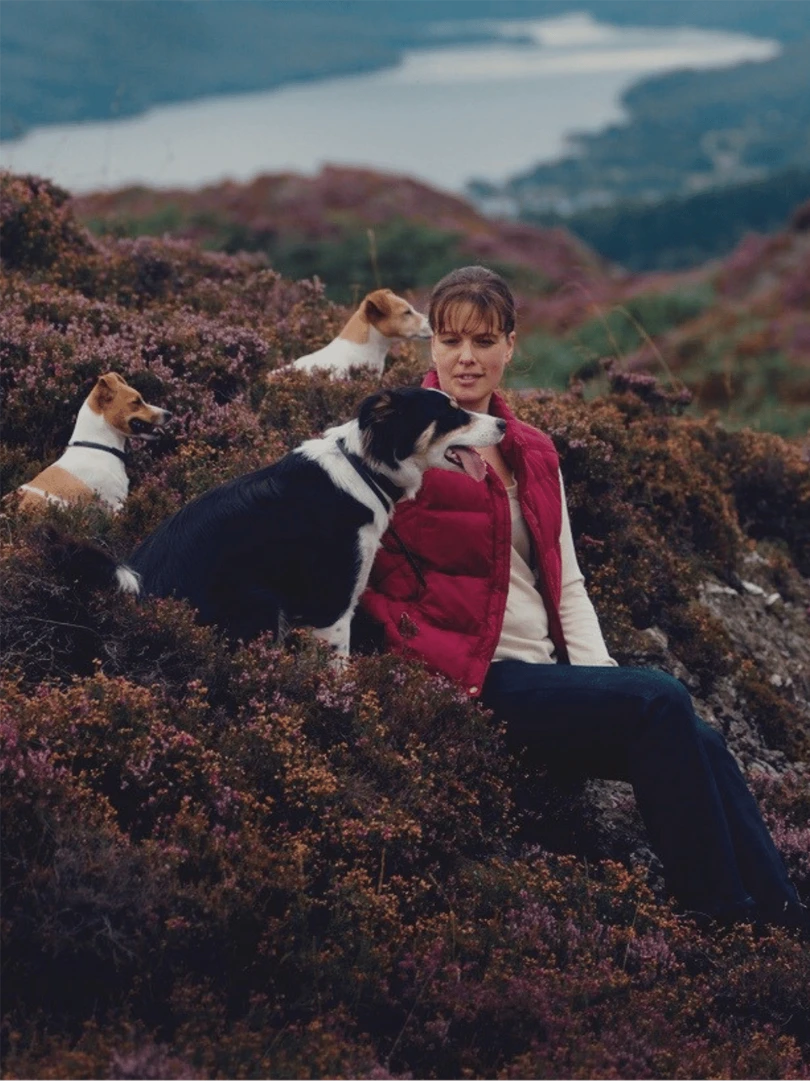
Caroline Grindrod is a regenerative agriculture consultant, trainer and facilitator who has spent more than two decades working with farmers, estates, land managers and organisations to build more resilient, profitable and ecologically healthy farming systems.
Her work combines practical farming experience with ecology, whole-system design, business thinking and the human side of change. She has worked across farms and estates of very different scales and contexts, helping people understand what is really happening in their system and make decisions that fit their land, business and lives.
Caroline is the founder of Roots of Nature and co-founder of Wilderculture. She developed the ROOTED framework to give farmers and land managers a practical way to think through regenerative transition for themselves rather than relying on prescriptions or fixed recipes.
A Chief Regeneration Officer for your business
For estates and businesses that want regeneration held at the highest level on an ongoing basis, Caroline also works as a Chief Regeneration Officer — a trusted strategic adviser with a seat at the table. This is available to farms and estates that have been through their transition and want to keep that expertise close, and to food and farming businesses without a farm of their own — vet practices, land agents, investment firms and food companies — that want regeneration understood and driven at board level.

There’s no commitment
Tell us a little about your farm or estate and we’ll arrange a first conversation. There is no obligation and no cost — just the chance to decide whether this is right for you. Because we take on only a small number of farms and estates each year, we also keep a waiting list.
Enquire about your farm or estate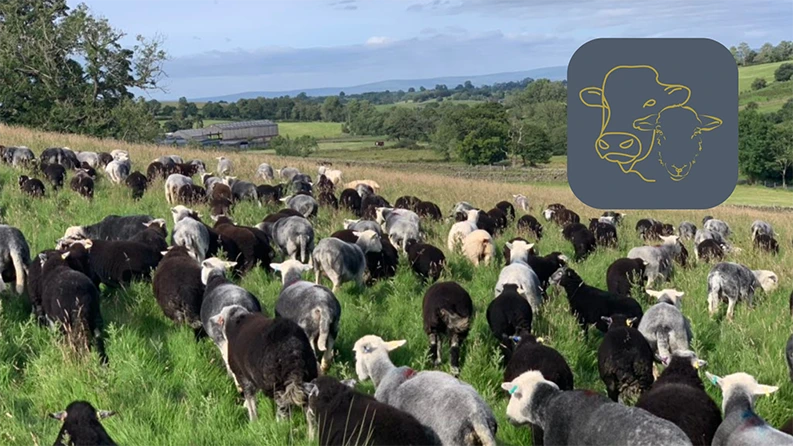
Grazing School
An introductory, hands-on course with James and Helen Rebanks and Caroline Grindrod: the foundations of regenerative grazing — reading your land, planning your moves, building resilient pasture.
Learn more →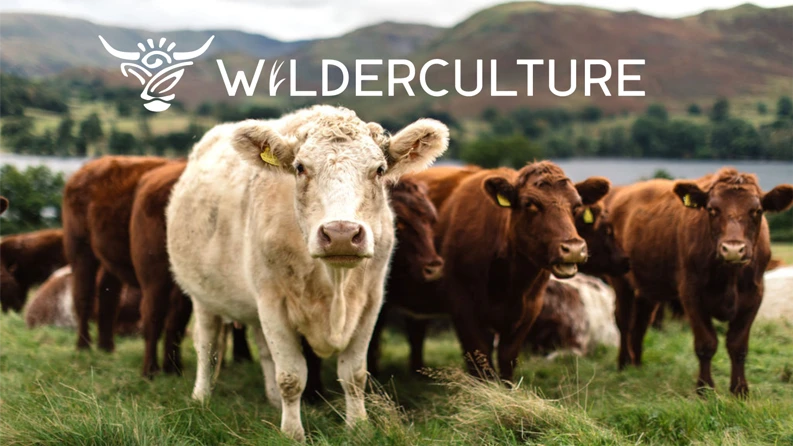
Wilderculture
Sponsored bioregional transition opportunities in a few key upland regions, by invitation only, alongside occasional training events at Wilder Gowbarrow for upland farms and estates.
Learn more →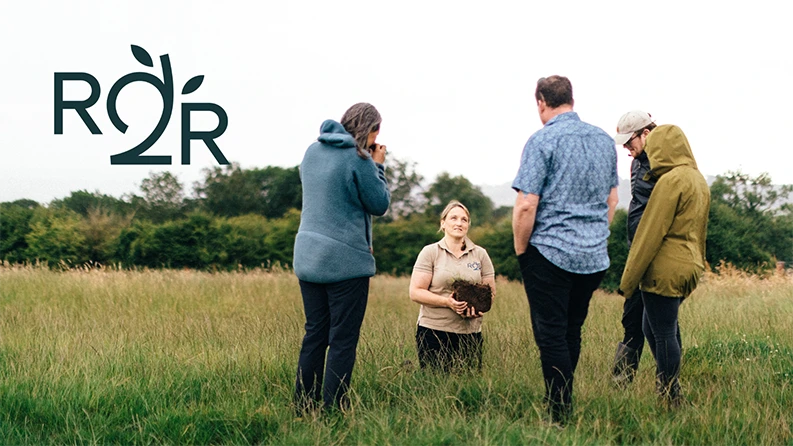
Roots to Regeneration (R2R)
Our flagship cohort programme: a fully supported 24-month journey designing and implementing your own regenerative system, step by step, alongside a community of farmers and food-system peers.
Learn more →