
Rooting to Place
A ten-year pilgrimage into what it takes to belong to a place.
Every culture that lived well with its land had elders. People who had watched the same hills through fifty winters, who knew which field flooded and which spring never failed, and who could tell the young ones why, not just what. Britain has almost none left. Most of the wise ones I’ve found live in books.

I’ve spent nearly thirty years working with land, half of them teaching regenerative agriculture on farms and estates from Cumbria to the Highlands. The practice is sound. But much of what we teach arrived from elsewhere: Zimbabwe, Australia, America. Under it lies a British lineage of people who farmed with this weather, this soil and these seasons. It has been buried. It can be dug up again.
In Roots to Regeneration we describe the person this work grows as a rooted leader. Someone who thinks in wholes. Who has begun to heal the story of separation in themselves, the split between inner and outer, head and heart, people and the rest of nature. Who lives by nature’s principles in whatever they do. And who belongs somewhere. I ask that of every farmer and professional who comes through the programme.
Rooting to Place is me asking it of myself. I want to become the kind of elder we’ve lost, and I can’t claim that; I can only earn it, the slow way, by rooting so deeply in one place that it changes how I see, how I work and what I teach. Becoming indigenous to place is how I deepen my own craft. It is also how I hope to help reweave a regenerative agriculture that truly belongs to these islands.
So I’ve committed to ten years, at least, of rooting to place.
The road runs backwards before it runs forwards. I’m tracing how people have related to land through each stage of human development, from the earliest hunters to whatever comes after us. My guides are Spiral Dynamics and Bill Plotkin’s nature-based map of the human psyche.
At each stage I’m asking the same questions. What did people know then that we’ve lost? What’s worth carrying forward? And what does it ask of me, on my own ground, now? The clues come from old stories, traditional land management, culture, and some of the most surprising discoveries in modern science. What I learn feeds straight back into the next version of the ROOTED framework.
This is my apprenticeship in eldership. Britain is short of elders who can teach us how to belong to land. I’d like to become indigenous to place in the time I have left, and leave the path a little clearer for whoever follows.
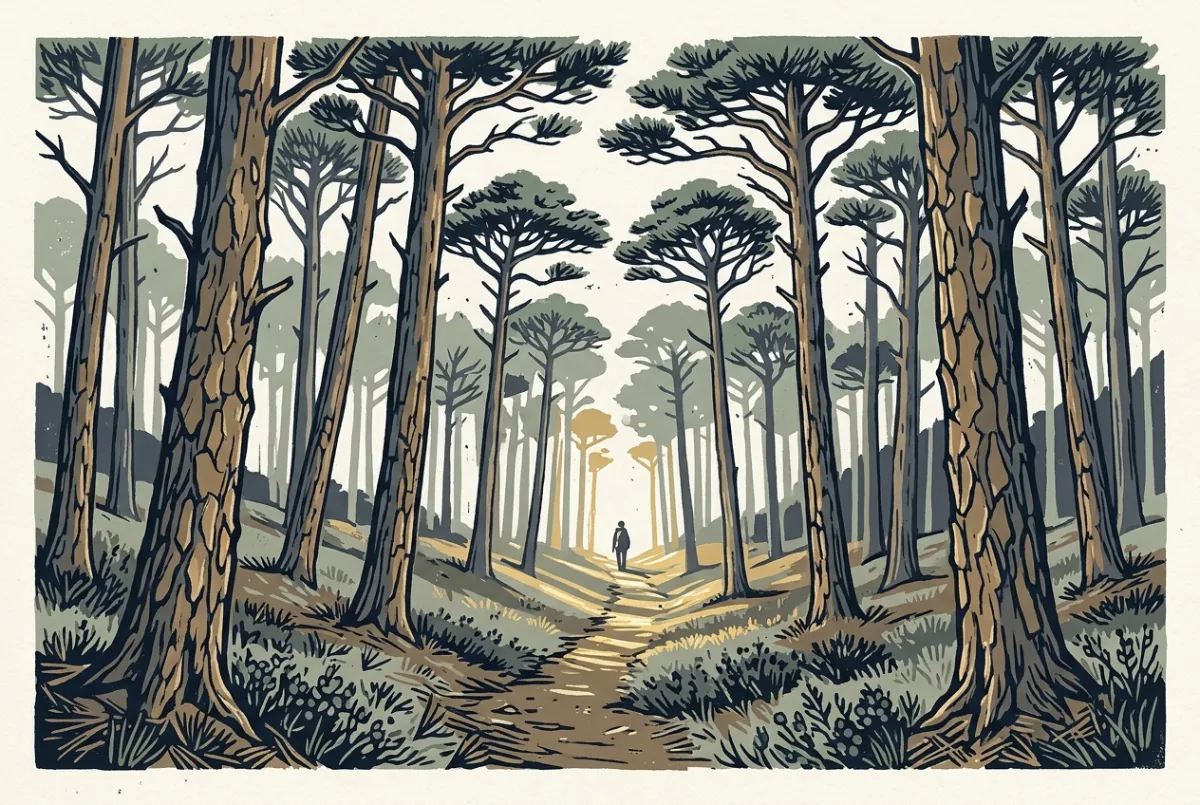
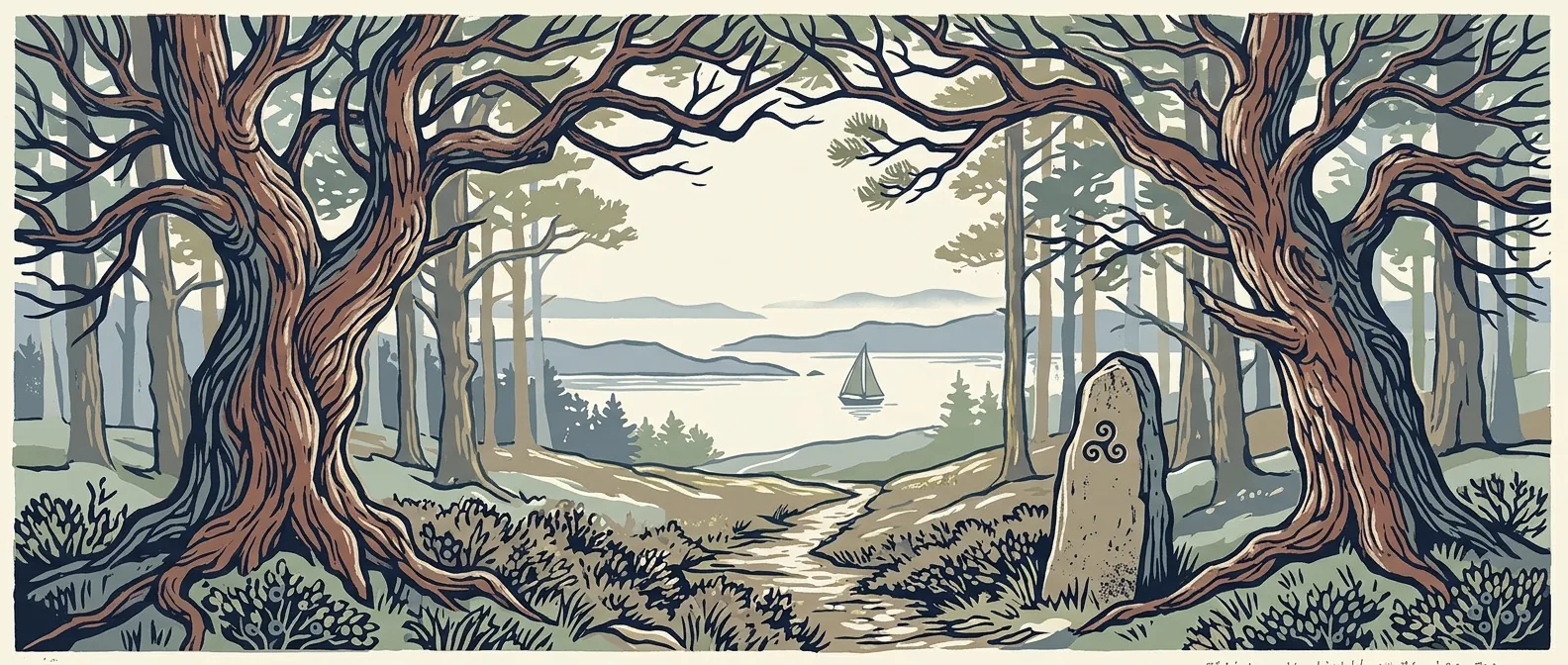
My ground is the Gaelic west. A croft on the Isle of Lismore, the remote waters and ancient sites we reach on our boat Fortino, and the farms and estates I travel to in the van. The pilgrimage happens there, and in the ordinary days in between.
A word on “indigenous to place”
I use the phrase carefully. It doesn’t lay claim to anyone else’s heritage. It means earning belonging slowly, through relationship with the land and with the people already rooted in it, while honouring histories that were here long before me and the harm that displacement has done.
Rooting to place works at three scales, and the pilgrimage touches all of them.
The person. Becoming whole, and finding your niche in the ecosystem you live in.
The culture. Using the same map to understand communities, organise teams and shape bioregional plans.
The leader. Carrying the personal work into the qualities that bioregional leadership asks for.
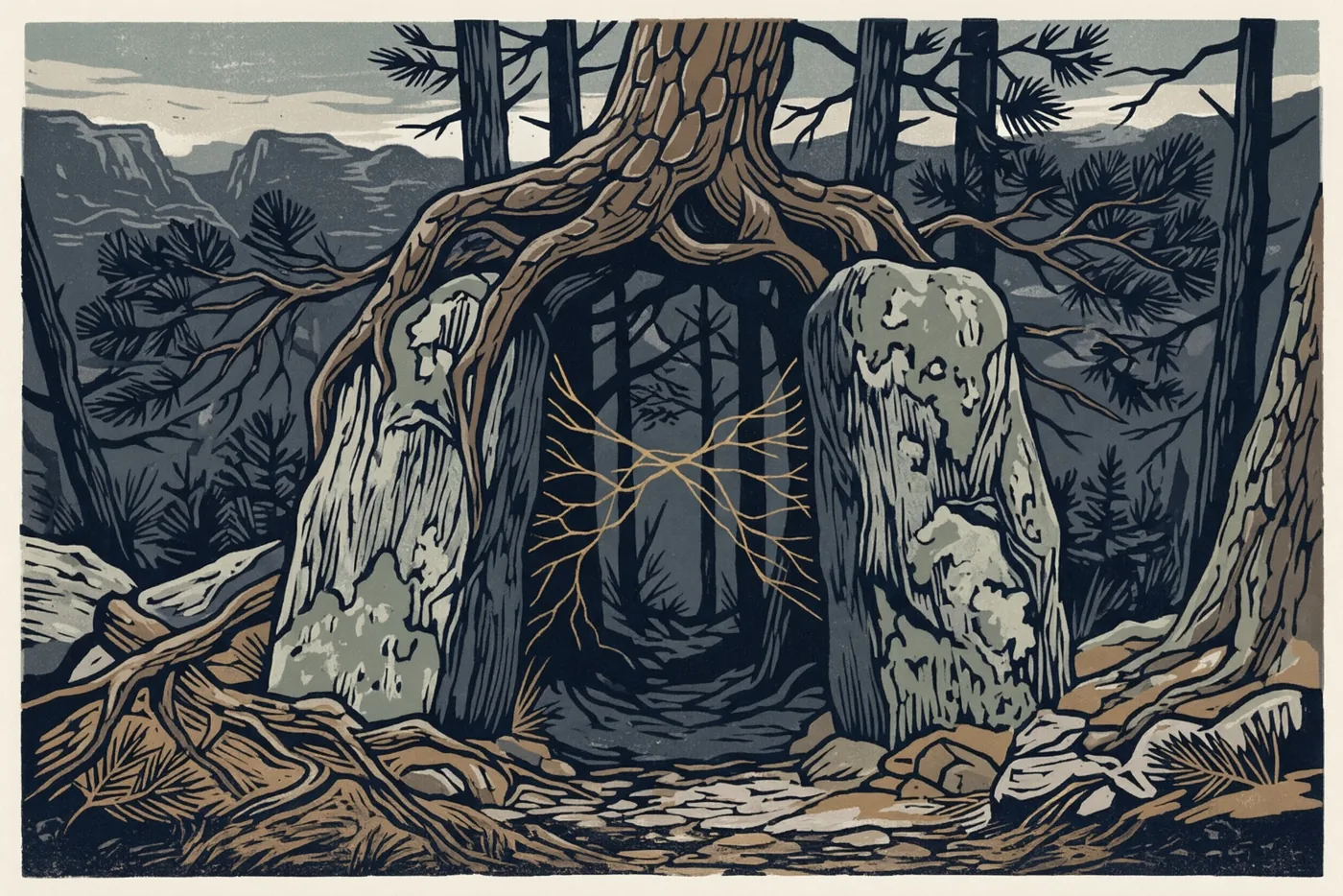
Step into the Digital Wilderness
This is where the raw work lives. Notes, sources, half-formed ideas and the threads running between them, organised by the stages of the journey and the ROOTED framework. Nothing in there is finished. Wander it, follow whatever pulls at you, and pick your own path.
It will be real. Some months are hard going, and I won’t dress them up. Most are exciting, revealing and a little bit mystical.
Enter the Digital Wilderness
Bookmark this page.
The Digital Wilderness grows as I go, so come back to it. The day-to-day of the pilgrimage lives in the Wilderculture membership. That’s where I post every week, write longer pieces every month, and where you can talk back.
There’s also an online course in there to help you design your own rooting to place process, on your own ground.